Source Rechargeable Bicycle Rear Light for Camping, Night Ride, and Daily Commuting
Find and compare 30 models of rechargeable bicycle rear light options suitable for camping, night riding, and daily use. These LED tail lights feature USB charging, various mounting styles, and certifications like CE and RoHS to ensure safety and reliability for your sourcing needs.
Key considerations
Products List



Comprehensive Sourcing Guide
Rechargeable Bicycle Rear Light Sourcing Guide
Sourcing rechargeable bicycle rear lights requires a strategic balance between visibility performance, battery longevity, and supply chain reliability. These devices serve as critical safety components for cyclists, ensuring they remain visible to motorists and other road users during low-light conditions. The market offers a diverse array of options, ranging from basic constant-beam units to advanced models with multiple flashing modes and smart connectivity features. Buyers must navigate this variety by focusing on core functional attributes that directly impact rider safety and product durability.
The procurement process begins with defining the specific use case, whether for daily commuting, mountain biking, or competitive road cycling. Each scenario demands different levels of brightness, battery capacity, and mounting stability. For instance, mountain bikers may prioritize ruggedness and water resistance, while urban commuters might value ease of installation and aesthetic integration with their bicycles. Understanding these nuances allows buyers to filter suppliers effectively and request samples that match their end-users' expectations, reducing the risk of returns and negative feedback.
Product Scope and Observed Listing Signals
The current market landscape for rechargeable rear lights reveals a wide spectrum of product configurations and price points. Observed listings indicate a price range between $0.68 and $5.99 USD, reflecting significant variation in component quality, branding, and included accessories. Minimum order quantities (MOQs) vary substantially, starting from just one unit for sampling up to 3,000 units for bulk production runs. This flexibility allows buyers of all sizes to engage with suppliers, though higher volumes typically unlock better pricing tiers and more favorable payment terms.
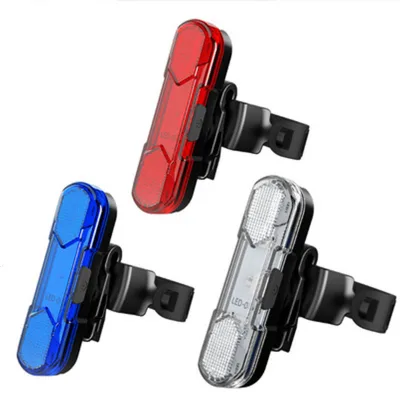
Product attributes observed in listings highlight key differentiators such as LED type, mounting placement, and power supply mechanisms. Most units utilize LED technology for energy efficiency and longevity, with mounting placements primarily focused on the bicycle tail or handlebar for front lights. Some models offer customization options, allowing buyers to tailor colors or packaging to their brand identity. Additionally, packing methods range from simple mail boxes to more premium color boxes, which can influence perceived value and retail readiness.
Technical Specifications to Verify
Verifying technical specifications is paramount to ensuring product performance and compatibility with various bicycle types. Buyers should confirm the light source type, with COB (Chip on Board) LEDs offering wider beam patterns compared to traditional discrete LEDs. Battery specifications, such as voltage and capacity (e.g., 3.7V 300mAh), directly impact runtime and charging frequency. It is essential to verify the number of work modes, as features like steady, flashing, and strobe modes enhance visibility in different traffic scenarios.
Physical dimensions and weight are critical for mounting stability and aerodynamic efficiency. Standard sizes observed include compact forms like 75x20x20mm or larger units up to 74x42x28mm, with weights ranging from 16g to 57g. Buyers must ensure the mounting mechanism, whether magnetic or strap-based, securely attaches to the seat post or handlebar without slipping during vibration. Additionally, housing material, typically ABS plastic, should be checked for impact resistance and UV stability to prevent yellowing or cracking over time.
Compliance and Safety Documentation
Compliance with international safety and environmental standards is non-negotiable for global distribution. Certifications such as CE, RoHS, and BSCI are commonly cited, indicating adherence to European safety, hazardous substance restrictions, and social compliance standards. Buyers must request valid certificates from accredited bodies and verify their authenticity through official databases. These documents not only mitigate legal risks but also build trust with retailers and end-consumers who prioritize ethical and safe manufacturing practices.
Beyond certifications, buyers should inquire about specific test reports for electrical safety and battery performance. Lithium-ion batteries, common in rechargeable lights, require protection against overcharging, short circuits, and thermal runaway. Documentation should include results from drop tests, water resistance ratings (IPX ratings), and lifespan testing. Ensuring that suppliers provide comprehensive safety data sheets (SDS) and battery transport compliance documents is crucial for smooth logistics and customs clearance.
Cost Drivers and Commercial Terms
Several factors influence the final cost of rechargeable bicycle rear lights, including material costs, labor, and certification expenses. The use of high-quality LEDs, durable ABS housing, and reliable battery cells increases production costs but enhances product longevity. Customization options, such as logo printing or unique packaging, add to the unit price. Buyers should analyze the total cost of ownership, considering potential savings from bulk orders and reduced defect rates, rather than focusing solely on the initial unit price.
Commercial terms, including payment methods, lead times, and shipping arrangements, significantly impact procurement efficiency. Common terms involve a deposit followed by balance payment before shipment, with lead times varying based on order volume and customization complexity. Buyers should negotiate clear terms for sample orders, return policies for defective items, and warranty coverage. Understanding these terms helps in cash flow management and risk mitigation, ensuring a smooth transaction process from order placement to delivery.
Supplier Qualification and Quality Control
Evaluating supplier qualifications is essential to ensure consistent product quality and reliable service. Buyers should assess suppliers' manufacturing capabilities, including production capacity, quality control processes, and R&D strength. Factories with ISO certifications and dedicated QC teams are more likely to deliver consistent products. Additionally, checking supplier reviews, trade history, and response times provides insights into their reliability and customer service quality. Building a relationship with a qualified supplier reduces the risk of supply chain disruptions.
Implementing robust quality control measures is crucial for maintaining product standards. Buyers should define clear acceptance criteria for incoming goods, including visual inspections, functional tests, and packaging checks. Conducting pre-shipment inspections or hiring third-party inspection services can help identify defects before goods leave the factory. Establishing a clear protocol for handling non-conforming products, including replacements or refunds, protects the buyer's interests and maintains brand reputation in the market.
Long-Term Procurement Checks
Long-term success in sourcing rechargeable bicycle rear lights requires continuous monitoring and adaptation. Buyers should regularly review supplier performance metrics, such as on-time delivery rates, defect rates, and communication responsiveness. Periodic audits or visits to the supplier's facility can verify ongoing compliance with quality and ethical standards. Staying updated on market trends, technological advancements, and regulatory changes ensures that the product portfolio remains competitive and compliant.
Building a diversified supplier base mitigates risks associated with single-source dependency. Engaging with multiple suppliers allows for better negotiation leverage and flexibility in responding to demand fluctuations. Additionally, fostering open communication with suppliers encourages collaboration on product improvements and cost-saving initiatives. By maintaining a proactive approach to supplier management and quality assurance, buyers can sustain a reliable supply chain and deliver high-quality products to their customers consistently.
FAQs
What certifications do these rechargeable bicycle rear lights have?
These lights typically hold CE certification, with some models also featuring BSCI or RoHS compliance. This ensures they meet international safety and quality standards for export. Buyers should verify specific model certificates, as options like ISOEEC are available for customized orders to satisfy diverse regulatory requirements.
How is the power supplied for these rear lights?
The power supply is provided via charging, utilizing built-in batteries such as 3.7V 300mAh units. This rechargeable design eliminates the need for disposable batteries, offering a convenient and eco-friendly solution for daily commuting or night riding. The charging mechanism supports multiple work modes for extended usability.
Can I customize the rechargeable bicycle rear light design?
Yes, customization is available for many models, allowing for specific branding or functional adjustments. While some items are non-customized standard products, others support tailored specifications. Buyers can request changes to packaging, such as color boxes or mail boxes, to align with their retail or promotional needs effectively.
What are the typical specifications for these rear lights?
Specifications vary by model, with dimensions ranging from compact sizes like 40x50mm to larger units around 75x20x20mm. Weights generally fall between 16g and 57g. Common features include LED light sources, multiple work modes, and mounting placements designed for secure attachment to the bicycle tail or rear bike part.
Which applications are suitable for these rechargeable rear lights?
These lights are suitable for ordinary bicycles, mountain bikes, road bikes, and kids bikes. They are designed for various usage scenarios including camping, hunting, daily commuting, night riding, and caving. The versatile mounting placement ensures compatibility with different bike types and riding conditions for enhanced visibility and safety.
What is the origin of these rechargeable bicycle rear lights?
The products originate from Ningbo, China, and other regions within China. This location is a known hub for manufacturing these components. Buyers can expect consistent production capabilities and supply chain efficiency from these origins, supporting reliable delivery schedules for bulk orders of rechargeable bicycle rear lights.